



Prečo sa hotelové prikrývky cítia inak: kľúčové materiály
Po 10 hodinách cesty hosť sotva zaregistruje počet vlákien. Ale pre tím obstarávateľov hotela toto číslo určuje, či sa izba cíti ako útočisko alebo ako kompromis. Charakteristický pocit „hotelovej postele“ pochádza z presného spárovania výplňového materiálu, hustoty tkaniny a konštrukcie – nie z jedného magického komponentu.
V globálnom dodávateľskom reťazci pohostinstva dominujú tri typy náplní. Páperie zostáva zlatým štandardom pre luxusné nehnuteľnosti, cenené pre svoj pomer tepla k hmotnosti a podkrovie pripomínajúce mraky. Polyesterové mikrovlákna sa stali ťažným koňom stredných a ekonomických značiek, ponúkajú hypoalergénny výkon a cenovú hladinu, ktorá funguje vo veľkom rozsahu. Pamäťová pena – zvyčajne drvená – sa objavuje v malom výklenku vážených alebo terapeutických hotelových prikrývok, ale jej cena a zadržiavanie tepla obmedzujú bežné prijatie.
V tabuľke nižšie sú uvedené kritické rozdiely, ktoré určujú pohodlie hostí aj celkové náklady na vlastníctvo.
| Materiál | Typický plniaci výkon / CLO | Hmotnosť (gsm) | Trvanlivosť (cykly prania) | Cena za jednotku (výroba) |
|---|---|---|---|---|
| Biele husacie páperie | 600–750 FP, CLO 2,5–3,5 | 250 – 350 g/m2 | 30-50 s náležitou starostlivosťou | 40 – 65 dolárov |
| Polyesterové mikrovlákno | CLO 1,8–2,2 | 200-300 gsm | 80-100 (možné prať v práčke) | 15 – 25 dolárov |
| Skartovaná pamäťová pena | CLO 1,5–2,0 | 400 – 600 g/m2 | 50-70 | 30 – 45 dolárov |
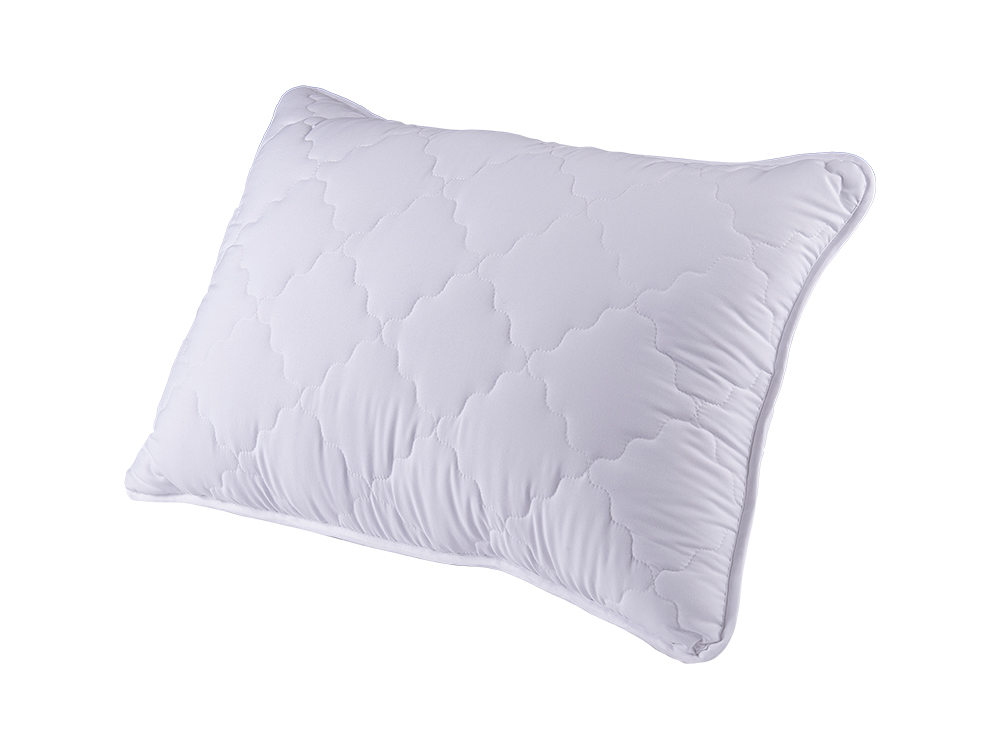
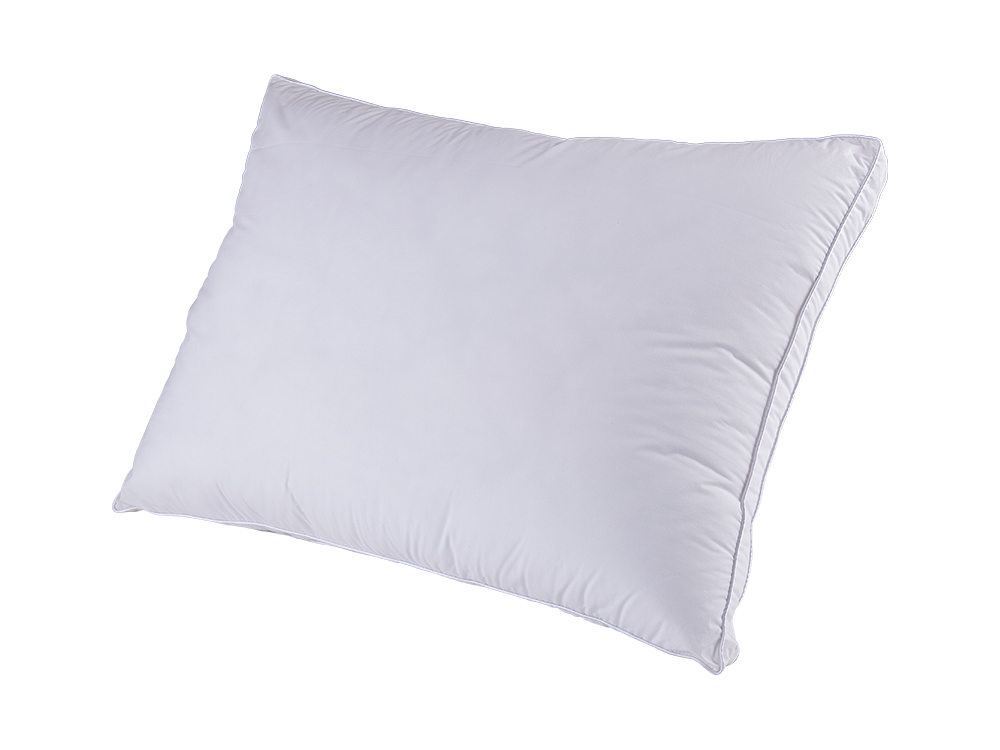
Polyesterové výplne z mikrovlákna teraz zodpovedajú pocitu ruky pri nízkej spotrebe za tretinovú cenu. Pre reťazcové hotely, ktoré každé tri roky osviežia 200 izieb, môže tento rozdiel zmeniť ročný rozpočet na posteľnú bielizeň. Vysokokvalitná prikrývka z mikrovlákna môže konkurovať mäkkosti a je plne hypoalergénna – príklad tohto typu výplne nájdete v našej prikrývka z mikrovlákna výstavby. Kľúčom je výber vlákna s 3D špirálovou štruktúrou, ktorá zachytáva vzduch bez zhlukovania, čo je niečo, čo alternatívy nižšej triedy úplne chýbajú.
Počet nití a hustota látky: Čísla za pocitom
Thread count stále predáva posteľné obliečky v maloobchodnej uličke. Pri komerčnom hromadnom obstarávaní však konečný produkt riadi hustota – oveľa menej sexy metrika. Ideálna hotelová prikrývka má počet nití od 200 do 400 s hustotou väzby približne 60 × 60 alebo 40 × 40 priadzí na palec. Nad 400 TC výrobcovia často skrúcajú viacero jemných priadzí dohromady, aby nafúkli číslo, čím sa vytvorí tuhšia, menej priedušná škrupina, ktorá pri priemyselnom praní praská.
| Rozsah počtu závitov | Pocit látky | Trvanlivosť | Cena za yard (hromadné) |
|---|---|---|---|
| 180 – 230 TC | Ľahko svieža, úžitková | Veľmi vysoká; odoláva žmolkovaniu | 1,50 – 2,00 USD |
| 300 – 400 TC | Hladký, vyvážený záves | Vysoká; dobre drží tvar | 2,20 – 3,00 USD |
| 500 TC (viacvrstvové) | Ťažký, niekedy až príliš teplý | Mierne; stehy sa môžu roztrhnúť | 3,50 – 5,00 USD |
Škrupina 300–400 TC s hustotou 60 × 60 poskytuje ostrý a priedušný povrch, ktorý si hostia spájajú s prémiovými izbami. Pre vlastnosti vo vlhkom podnebí ponúka zmes bavlny a polyesteru v držiaku 230–300 TC lepší odvod vlhkosti a nižšiu mieru výmeny. Škrupina by mala byť vždy odolná voči páperiu, ak je naplnená materiálom z peria – vyskúšajte si to sami rolovaním vzorky medzi prstami; žiadna náplň by nemala uniknúť ani po 20 sekundách agresívneho trenia.
Certifikáty, na ktorých záleží pre hotelovú posteľnú bielizeň (OEKO-TEX, GRS a ďalšie)
Vstúpte do akéhokoľvek vyjednávania o zmluve s globálnym vlajkovým reťazcom a predtým, ako vás požiadame o cenu, budete požiadaní o dokumentáciu. Certifikácie fungujú ako predkvalifikačný filter: žiadny certifikát, žiadna ponuka. V dodávateľskom reťazci hotelových prikrývok dominujú tri štandardy.
- OEKO-TEX Standard 100 : Testy na viac ako 100 škodlivých látok vrátane formaldehydu, ťažkých kovov a určitých ftalátov. Certifikácia produktovej triedy I sa vzťahuje aj na deti, takže je to najbezpečnejšia prikrývka pre kontakt s pokožkou hostí.
- Globálny recyklovaný štandard (GRS) : Overuje percento recyklovaného obsahu a sleduje ho v celom výrobnom reťazci. Nevyhnutné pre značky, ktoré uvádzajú na trh „eko-šetrné“ izby, pretože poskytuje dôkaz o spotrebiteľskom reťazci.
- GOTS (Globálny štandard pre organický textil) : Pokrýva organické vlákna od zberu až po hotový produkt. Menej bežné vo výplniach z mikrovlákna, ale rastú pre bavlnené škrupinové látky v butikových ekologických hoteloch.
Naše interné laboratórium testuje každú dávku výplne a tkaniny podľa týchto noriem. Továreň, ktorá môže preukázať platnú licenciu OEKO-TEX – nielen jednorazový test – ušetrí obstarávateľovi 12 až 18 hodín povinnej starostlivosti na jedného dodávateľa. V prípade vlastných objednávok si vždy vyžiadajte číslo certifikátu a overte si ho vo verejnom adresári vydávajúceho orgánu. Je to najrýchlejší spôsob, ako odfiltrovať maklérov, ktorí umiestňujú logo na hárok so špecifikáciami.
Okrem toho tam, kde ciele trvalej udržateľnosti vyžadujú obnoviteľné materiály, a paplón z bambusového vlákna môže získať kredit GRS, keď sa zmieša s recyklovaným polyesterom, čím dosiahne rovnováhu medzi značkou hotela a realitou rozpočtu.
Výrobné techniky: Vysvetlenie ultrazvuku, prešívania a žakáru
To, ako sa výplň drží vo vnútri škrupiny, určuje, či prikrývka vyzerá ako v obchodnom dome svieža alebo hrudkovitá po 12 mesiacoch komerčných cyklov prania. Na trhu dominujú tri spôsoby výroby, z ktorých každý má odlišný profil nákladov a trvanlivosti.
| Technika | Najlepší prípad použitia | Úroveň nákladov | Vzhľad | Trvanlivosť |
|---|---|---|---|---|
| Ultrazvukové lepenie | Polyesterové výplne z mikrovlákna; veľkoobjemové hotely | Nízka – Stredná | Čisté, moderné, bez dier po stehoch | Veľmi vysoká; žiadne rozbitie vlákna |
| Prešívanie (diamant/krabica) | Alternatívne výplne dole a dole; luxusné nehnuteľnosti | Stredná | Klasické, štruktúrované, viditeľné prešívanie | Vysoká, keď je vlákno viazané nylonom |
| Žakárové tkanie | Dekoratívne kusy hornej časti postele; butikové suity | Vysoká | Zložité vzory votkané priamo do látky | Mierne; vzory sa môžu zasekávať |
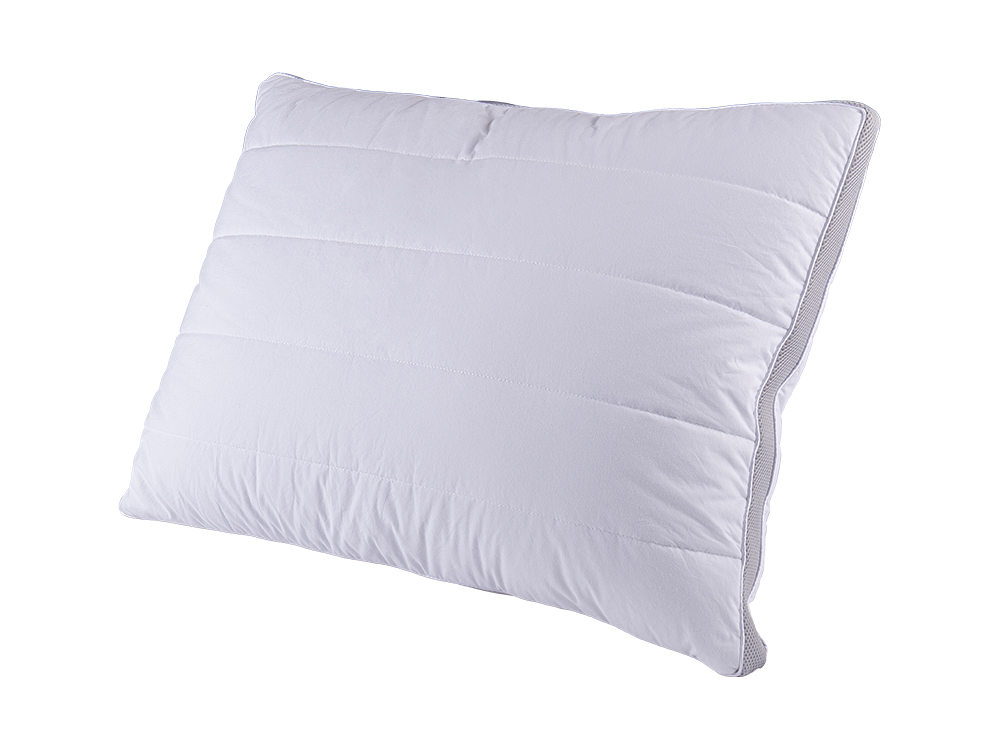
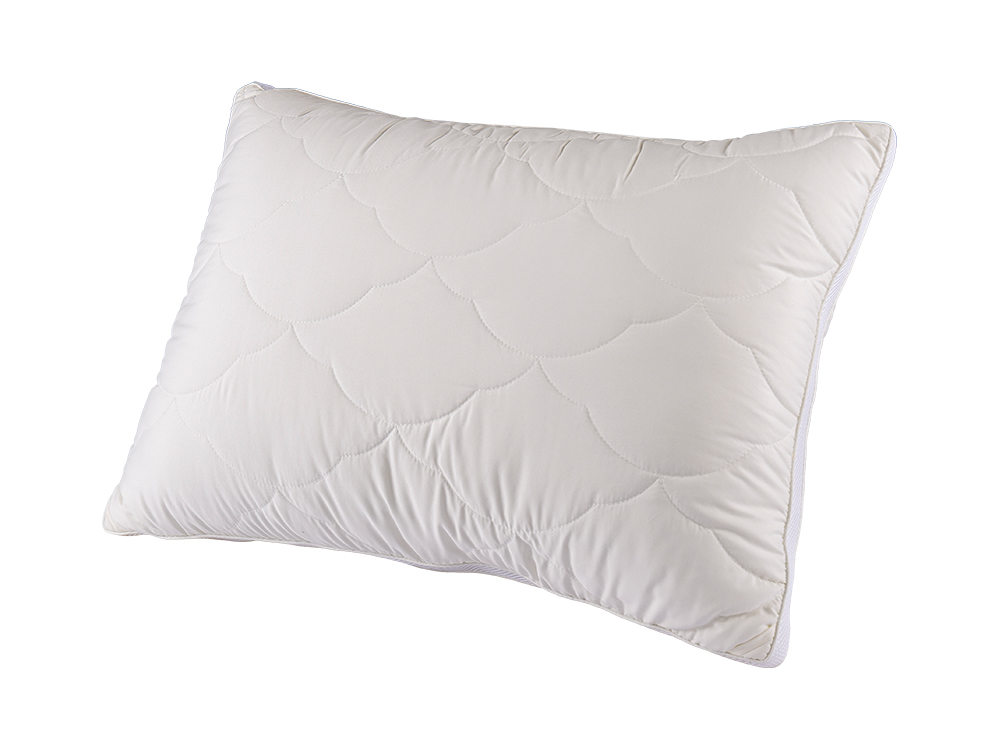
Ultrazvukové spojenie využíva vysokofrekvenčnú energiu na spojenie vrstiev bez závitu, čím sa vytvorí utesnená bariéra, ktorá eliminuje migráciu náplne. Je to proces, ktorý vo veľkej miere používame v našej línii, a to aj naprieč ultrazvukové prikrývky ktoré podliehajú rovnakému princípu spájania. V prípade páperových prikrývok zostáva prešívanie krabice nemenné – každý štvorec zabraňuje posúvaniu výplne a zachováva vzdušnosť po celom povrchu. V stredne veľkých reťazcoch sú teraz štandardné prikrývky z mikrovlákna spájané ultrazvukom, pretože prežijú 80 priemyselných pracích cyklov bez jediného prasknutého švu.
Rozdelenie nákladov: Factory Direct verzus maloobchod pre hotelové utešovače
Maloobchodné cenovky na prikrývkach v „hotelovom štýle“ nesú 3- až 5-násobnú prirážku oproti skutočným nákladom zo závodu. Táto medzera sa ešte zväčší, keď si objednáte 500 jednotiek namiesto piatich. Pochopenie cenových rozsahov kategórií vám pomôže odhaliť spravodlivé cenové ponuky a vyhnúť sa skrytým logistickým pasciam.
Pre štandardnú prikrývku Queen (90 × 90 palcov, výplň z mikrovlákna 250 g/m2):
- Priame výrobné náklady na jednotku (MOQ 100): 16 – 22 USD
- Značkový maloobchodný ekvivalent: 55 – 85 USD
- Prikrývka vyrobená z výroby (600 FP, náplň 30 oz): 42 – 58 USD
- Maloobchodná kolekcia luxusných hotelov: 150 – 250 USD
Priame obstarávanie znižuje celkové výdavky až o 70 %. Táto marža zahŕňa námornú prepravu, colné maklérstvo a 3% clo na posteľnú bielizeň dovážanú do USA. Hotel strednej kategórie, ktorý kupuje 300 prikrývok každých 24 mesiacov, ušetrí 12 000 až 18 000 USD za cyklus. Kompromisom sú náklady na držanie zásob a potreba plánovať objednávky 8–10 týždňov pred otvorením. Ak chcete získať širší pohľad na možnosti produktov, ktoré vyvažujú cenu a konzistentnosť, pozrite si naše kolekcia paplónov kde každý záznam obsahuje hmotnosť látky, typ výplne a podrobnosti o MOQ.
Ako si prispôsobiť objednávku hotelových utešovačov (MOQ, dodacia lehota a vzorky)
Prispôsobenie ide nad rámec výberu farby. Pre hotelové skupiny to znamená synchronizáciu špecifikácie prikrývky s kapacitou náplne dodávateľa práčovne, zásadami značky pre alergiu a dokonca aj priemerným nastavením termostatu v hosťovskej izbe. Štruktúrovaný proces zabraňuje drahým nesúladom.
Všeobecné vlastné kroky:
- Vyberte materiál náplne a hmotnosť (g/m2) na základe klimatickej zóny a frekvencie prania.
- Vyberte zmes škrupín a počet nití; ak používate výplň z peria, vyžiadajte si certifikát proti páperiu.
- Definujte konečné rozmery a prídavok na švy; vždy pridajte 2 palce tolerancie preplnenia.
- Rozhodnite sa pre spôsob výroby: ultrazvuk pre objemný polyester, prešívanie boxov pre páperie alebo páperie.
- Objednajte si predvýrobnú vzorku a nechajte ju prejsť 5 komerčnými cyklami prania a sušenia, aby ste otestovali zmršťovanie a integritu výplne.
- Dokončiť balenie – vákuovo balené znižuje objem nákladu o 40 %; zložený v taške na zips vyhovuje butikovým značkám.
Dodacie lehoty sa pohybujú od 4 do 8 týždňov po schválení vzorky v závislosti od objemu objednávky a sezónneho zaťaženia továrne. Minimálne objednané množstvo začína na 100 kusoch na dizajn, pričom MOQ potlače tkaniny je nastavená samostatne na 500 metrov. Naše zariadenie – 22 rokov výroby posteľnej bielizne, 320 špecializovaných zamestnancov a vlastná linka na rezanie do balenia – dokáže spracovať až 50 000 prikrývok mesačne bez subdodávok. Táto vertikálna kontrola skracuje dobu odoslania vzorky na 10 – 14 dní, čo je faktor, ktorý drasticky znižuje možnosť, že zásielka dorazí mimo špecifikácie.
Tipy na údržbu na predĺženie životnosti prikrývky
Dokonca aj najlepšie skonštruované hotelové prikrývky sa zhoršia dvakrát rýchlejšie, ak s nimi upratovanie zaobchádza ako s ťažkým závesom. Malé zmeny protokolu pridávajú 2–3 roky použiteľnej životnosti.
- Prať pri teplote 30–40 °C (86–104 °F) s jemným čistiacim prostriedkom; horúca voda nad 60 °C degraduje výplň z polyesterového mikrovlákna a odstraňuje prírodné oleje.
- Použite veľkokapacitný komerčný extraktor; vyhýbajte sa horným nakladačom s centrálnymi miešadlami, ktoré trhajú stehy prepážky.
- Sušte v sušičke na strednú teplotu s guľami do sušičky vlny, aby ste obnovili loft. Pri páperových pokrývkach zastavte cyklus každých 20 minút a všetky zhluky rozdrvte ručne.
- Skladujte v priedušných bavlnených vreckách, ktoré nie sú vákuovo uzavreté, aby sa zabránilo trvalému stlačeniu výplne.
- Škvrny okamžite ošetrite čističom na báze kyslíka – chlórové bielidlo časom oslabuje vlákna škrupiny.
Hotely, ktoré striedajú dve prikrývky na lôžko (jedna používaná, jedna vypraná), uvádzajú o 30 % dlhšie intervaly výmeny. Je to jednoduchá taktika zásob, ktorá sa viac ako vyplatí za extra počiatočnú investíciu v prvom roku.

 +86-573-88798028